
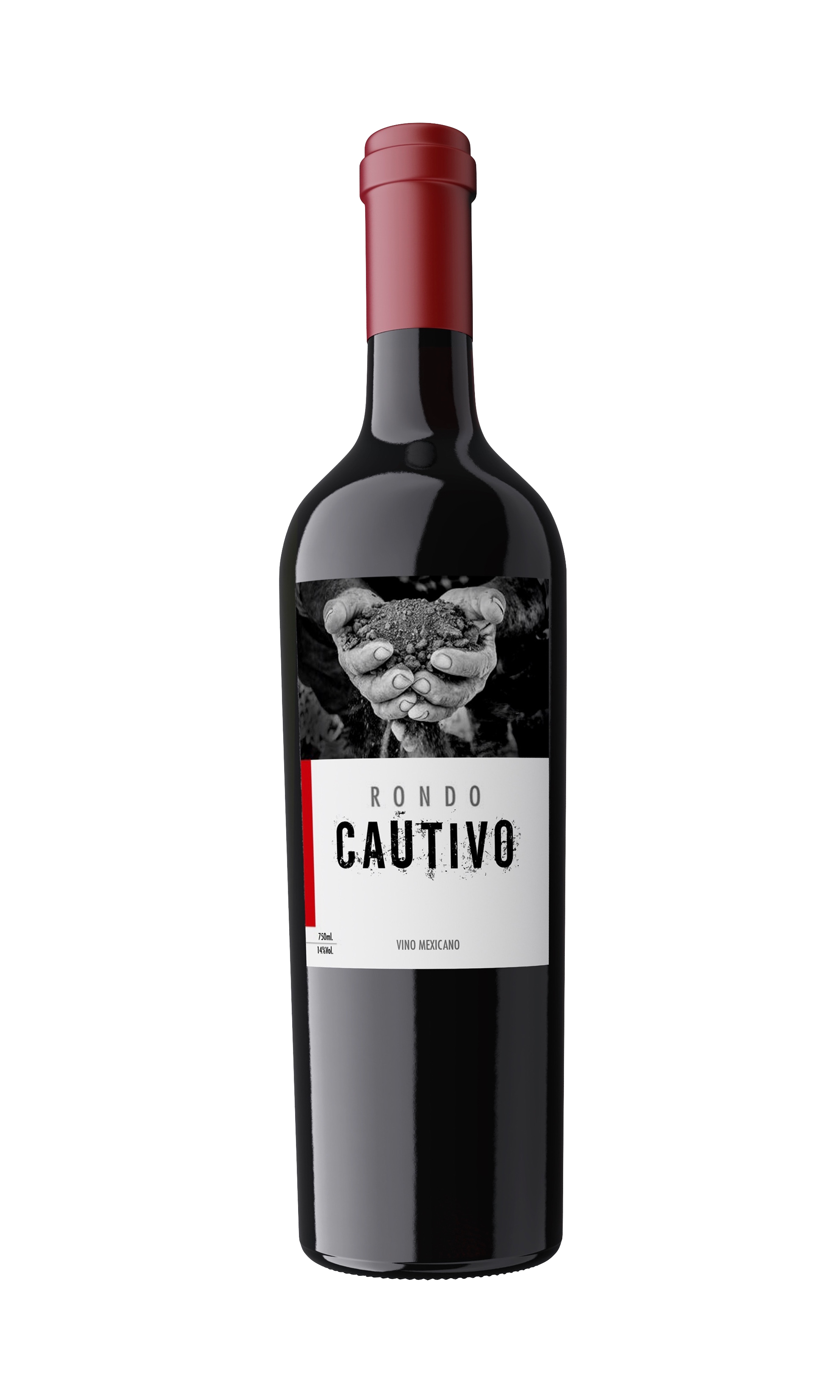
Blending: when wine is built as a complete work
In the world of wine, blending—also called assemblage—means combining different components to create a final wine with harmony, complexity, and an identity of its own.
It is not mixing for the sake of mixing, nor is it a way to hide flaws. At its best, blending is both a creative and technical decision: choosing what each piece contributes and how it fits into a balanced whole.
At Rondo del Valle, we work with red wine blends. This approach makes it possible to seek expressive profiles in which aroma, freshness, structure, texture, and finish support one another.
Why does a winemaker choose to blend?
Every winery has its own style, but these are some common reasons:
- To seek balance: preventing a single element from dominating the glass.
- To increase aromatic complexity: building layers and nuances.
- To add structure: creating a defined mid-palate and a persistent finish.
- To refine texture: achieving a polished, firm, or generous mouthfeel.
- To create stylistic consistency: expressing a recognizable sensory identity.
What does “balance” mean in a glass?
Balance does not mean that everything must feel soft. It means the elements feel integrated and none distracts from the whole. We can understand it by observing five dimensions.
1. Aroma
The goal is a clear, appealing nose. A blend can bring greater expressiveness—aromas that emerge easily—and more depth, with nuances that reveal themselves little by little.
2. Freshness
Freshness is the lively sensation that invites another sip. It lifts the wine, keeps it from feeling heavy, and gives the finish a clean quality.
3. Structure
Structure is the wine’s “skeleton”: what supports its journey across the palate. A structured wine has presence, shape, and a finish that does not disappear immediately.
4. Texture
Texture describes how the wine feels: taut, silky, firm, or broad. In a blend, the goal is for the wine to move pleasantly across the palate without feeling aggressive or diluted.
5. Finish or persistence
The finish is what remains after swallowing: flavor, aromatic echo, and sensation. A well-constructed blend can offer a long, clean finish that remains consistent with what the nose promised.
How the components complement one another
Imagine that every component serves a purpose. The winemaker’s job is to make those roles support one another:
- Aroma + freshness: the wine feels lively from the first contact.
- Structure + texture: the glass has body and shape.
- Freshness + finish: the sip ends cleanly and invites another.
- Aroma + structure: the wine not only smells appealing; it also holds its shape on the palate.
The key: the goal is not maximum intensity in every dimension, but to distribute the spotlight.
Signs of a well-made blend
The next time you taste a wine, notice whether the following happens:
- The aromas feel clear rather than confused.
- No single element “shouts” above the rest.
- The texture feels integrated.
- The finish matches what the nose promised.
- After a few minutes in the glass, the wine gains expression without losing its sense of order.
A simple exercise for understanding blending
You do not need technical language. After one sip, choose one word for each dimension:
- Aroma
- Freshness
- Structure
- Texture
- Finish
Then ask yourself: what dominates, and what is missing for the wine to feel complete? That question lies at the heart of blending.
Experience balance through the senses
If you would like to discover how balance is built in a glass, explore Rondo del Valle’s wines and enjoy a tasting experience where you can observe aroma, freshness, structure, texture, and finish at your own pace.
Vino navideño para una mesa que se recuerda
Celebración en viñedo: cómo hacerla memorable