
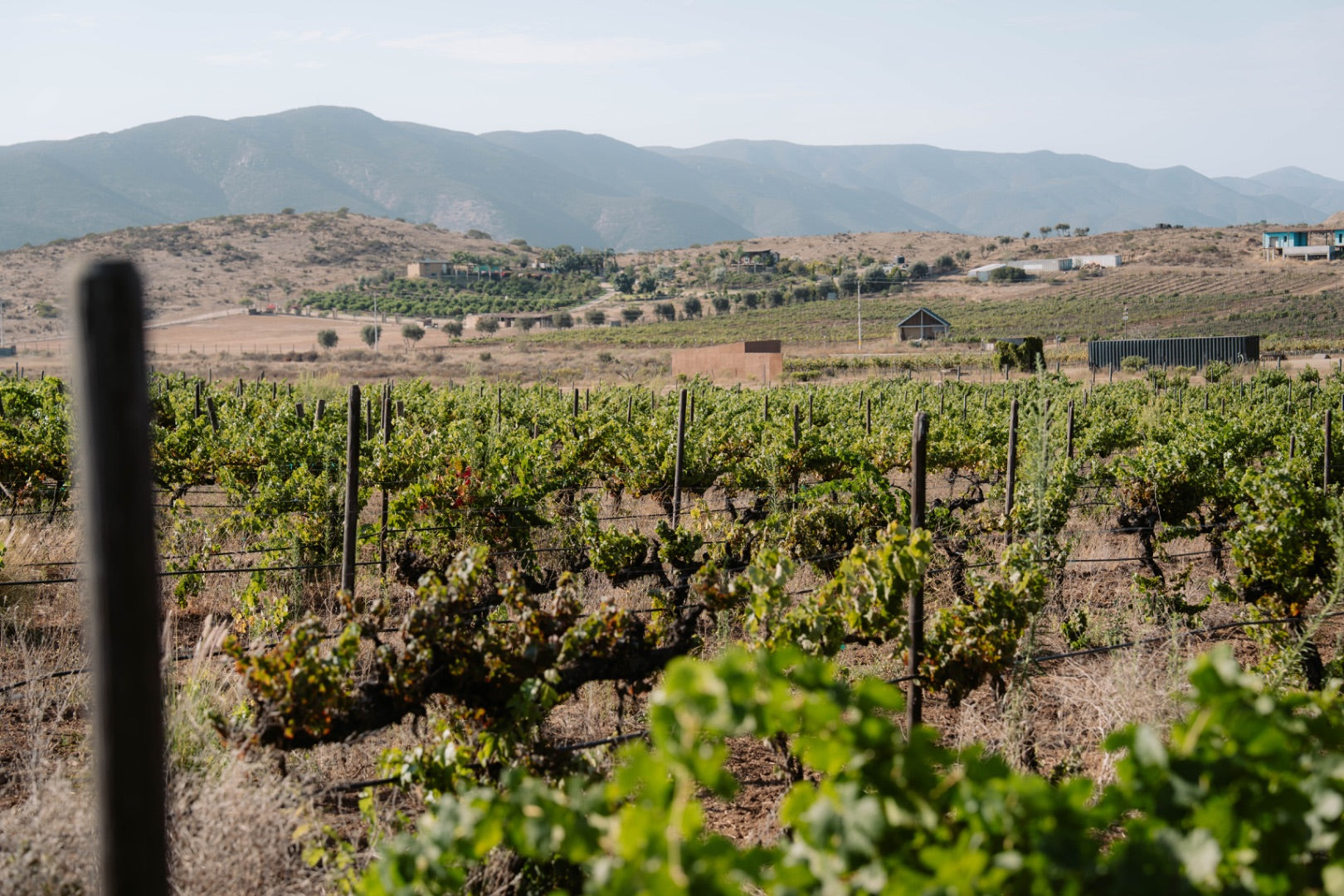
Harvest is the most vibrant time of the year in a wine region: the vineyard's rhythm changes, the winery works with precision, and visitors perceive a distinct energy—more intense, more aromatic, more real.
In Valle de Guadalupe, that harvest season is still felt at the end of August and beginning of September. And there's no need to rush it: there's also a calm, elegant, and very educational way to enjoy it.
What is harvest and why does it feel different?
Harvest is the picking of grapes destined for wine. But in reality, it's a set of decisions: when to cut, how to transport, how to protect aromas, how to ferment, and how to preserve the character of the fruit.
During this time, the Valley smells different: of ripe fruit, dry herbs, and warm earth. More vibrant profiles often appear in the glass, because the wine and the conversation around wine become more "seasonal."
How to experience harvest without the crowds: 6 tips
1. Change your goal: it's not "seeing everything," it's understanding better
During harvest, less is more. Instead of rushing between stops, choose an experience and make it profound:
- Observe the vineyard calmly.
- Ask about the time of year.
- Connect what you see with what you taste.
Suggestion: carry a notebook or make notes on your phone. One phrase per wine is enough.
2. In the vineyard, look at the color, not just the cluster
During harvest, the landscape becomes a map:
- Leaves starting to change color.
- Clusters with different sun exposure.
- Sections that are harvested earlier than others.
Useful question: "Which part of the vineyard usually ripens first here?"
3. Train your sense of smell with references from the Valley
Harvest is ideal for refining your nose. Before tasting, look for two or three real references around you:
- Aromatic herbs from the garden.
- Fresh or dried fruit.
- Stone, earth, or damp shade.
Then, in the glass, try to find equivalents. It's not a test: it's a way to make the wine more memorable.
4. Learn to recognize texture, beyond flavor
Many visitors describe wine by flavors. During harvest, it's worth adding another layer:
- Texture: silky, juicy, or firm?
- Weight: light, medium, or full-bodied?
- Finish: short, medium, or long?
This language helps you choose your next glass better and remember your favorites.
5. If you visit a cellar, look for the contrast: rock, silence, and time
A cellar, especially an underground one, changes perception: temperature, echo, and aromas. It's the perfect place to understand that wine isn't just born: it's formed with patience.
Experience tip: taste a wine and stay silent for 30 seconds. Then describe the finish. You'll be surprised at what emerges.
6. Toast to Cabernet with a twist
September 3rd is International Cabernet Sauvignon Day. If you want to join in without being obvious:
- Instead of just talking about the grape, focus on the sensation: structure, tension, and persistence.
- Ask: "What is the winemaker looking for when deciding the exact harvest moment for this style?"
This way you celebrate with intention, not cliché.
Five smart questions for your next visit
- What is changing in the vineyard this week?
- What decisions are critical during harvest to preserve aromas?
- What wine do you recommend to understand the character of the house?
- What should I notice on the palate: acidity, texture, or finish?
- If I take a bottle home, when would you open it?
Experience harvest calmly
Harvest is an invitation to look closer: at the vineyard, the winery, and your own way of tasting. If you visit Rondo del Valle this early September, come with curiosity and a desire to discover the Valley at a leisurely pace.
We await you to live a wine tourism experience where wine is understood, felt, and remembered.
Compras digitales de vino con criterio y confianza