
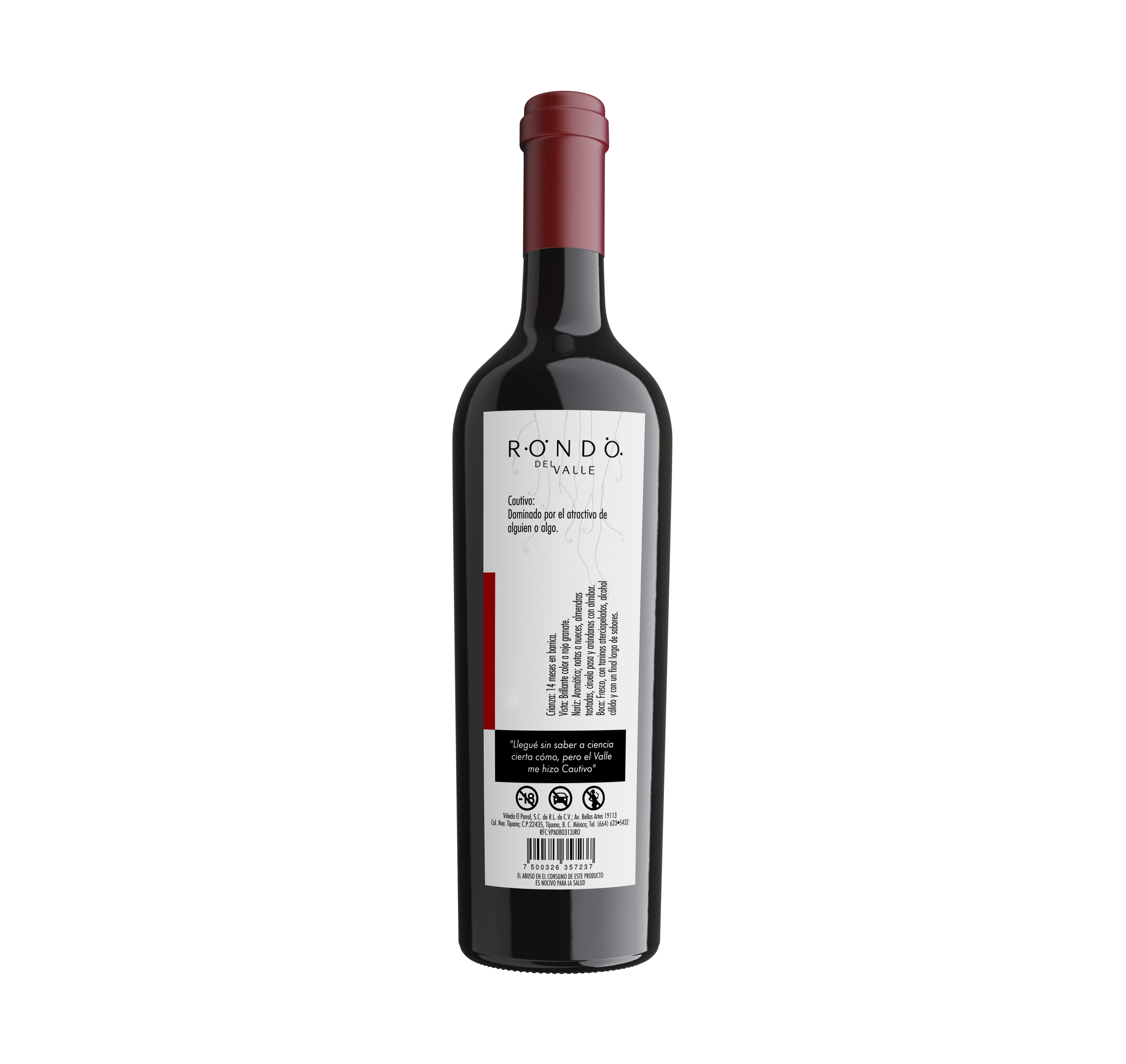
Choosing a red wine in Valle de Guadalupe can feel both exciting and overwhelming: new labels, creative names, and very different styles from one winery to the next.
The good news is that you do not need to be a sommelier to choose well. By learning to read a few key elements on the label—and what they usually mean in Mexico—you can get much closer to the style you truly enjoy.
To mark National Red Wine Day, celebrated on August 28, we prepared this practical guide to help you choose confidently during a tasting, when taking a bottle home, or while looking for a gift.
1. Start with the basics: who made it and where it comes from
Most labels will show:
- Winery or producer: who made the wine.
- Region: for example, Valle de Guadalupe or another area of Baja California.
Why it matters: origin provides context about climate and overall style. In Valle de Guadalupe, it is common to find reds with ripe fruit, structure, and a food-friendly character.
2. Single varietal or blend: a clear style clue
Look for whether the label indicates:
- Single varietal: a wine made primarily from one grape, such as Cabernet Sauvignon or Merlot.
- Blend or assemblage: a combination of grapes.
If you want something firm and structured, grapes known for their body can help guide you. If you prefer something rounder and easier to drink, a softer variety or a balanced blend may be a better match.
Tip: if you do not know the grapes, ask: “Is this red more fruit-forward or spicy? Lighter or more intense?” Those two questions make recommendations much easier.
3. Vintage: context, not a score
Many labels include the vintage, or harvest year. If it is not listed, that does not mean the wine is lower quality; it may simply be the producer's choice.
- Use the vintage as context.
- Remember that some reds become softer and more complex over time, while others are best enjoyed young.
4. Alcohol: a clue about intensity
The alcohol percentage appears on the label and can help you anticipate how the wine may feel on the palate.
- A red with more alcohol may feel warmer, bolder, and fuller-bodied.
- One with less alcohol may feel lighter or fresher.
It does not mean one wine is better than another; it simply helps you choose the style you want for that moment.
5. Oak aging, without the complications
Some labels mention barrel, oak, or aging. In general terms, wood may contribute notes associated with spice, toast, cocoa, or vanilla, along with a greater sense of structure.
If you prefer fruit-forward reds, ask for options with less oak influence. If you enjoy more serious and complex profiles, ask for barrel-aged recommendations.
6. Tasting notes are a map, not a promise
Descriptors such as fruit, flowers, or spices express the producer's intention and serve as a guide. Your perception also changes with food, temperature, and context.
7. Suggested pairings can help you decide
- For meat, pasta, or dishes with rich sauces, a well-structured red is often a helpful choice.
- For something lighter, ask for an approachable, fruit-driven red.
8. The question that changes the recommendation
Before buying, share two simple details:
“I am looking for a red for a tasting, a meal, or a gift. I like it smooth or bold.”
That information helps the hospitality team guide you more precisely.
Discover the red that connects with you
On your next visit to Valle de Guadalupe, taste, ask questions, and discover which red wine style represents you.
Book an experience at Rondo del Valle and tell us whether you prefer a wine that is more fruit-forward, spicy, light, or intense so we can guide you during your visit.
Cómo planear una propuesta entre viñedos