
Asking for a “smooth wine” is a useful start, but it can mean several things: less grip on your gums, little sweetness, or a lighter feel. Separating those preferences makes it easier to get a helpful recommendation when you visit Valle de Guadalupe.
A wine can be both dry and fruity. It can also feel light while having noticeable acidity. You do not need a tasting qualification to explain what you enjoy. Start with the sensation you would like more—or less—of.
Dry describes sweetness, not roughness
In wine language, dry refers to little or no perceptible sweetness, related to residual sugar. It does not mean a wine has no fruit character or must leave your mouth feeling rough.
If you notice cherry, plum or apple, you are describing an aromatic impression. Take a sip and consider sweetness separately. “Fruit-forward, but not sweet” is a perfectly useful request to bring to a tasting.
Tannin is the grip you may feel on your gums
Some red wines leave a drying, grippy sensation. Tannins contribute to that astringency. It is different from describing a wine as dry because it lacks sweetness.
If a red felt too rough for your taste, try explaining that directly: “Could I compare it with a red that feels less astringent?” You may still enjoy dry wines, with a texture that suits you better.
Separate freshness from weight
Acidity: notice the mouthwatering response
Acidity contributes freshness and makes your mouth water. After a sip, pay attention to salivation. That response is different from tannin's grip, even though both can appear in the same wine.
Body: notice how full the wine feels
Body describes a wine's weight and fullness on the palate. Asking for something lighter communicates a different preference from asking for something sweeter. A strong aroma alone does not tell you how full-bodied the wine will feel.
Four useful ways to describe your preferences
Choose two characteristics and mention a wine you have just tried. These requests give your host something concrete to work with:
- Fruit without sweetness: “I enjoy fruity aromas, but I prefer a dry wine.”
- Less grip: “I would like a red with a less astringent texture.”
- A lighter feel: “Could we compare this with something lighter-bodied?”
- More freshness: “I liked how mouthwatering that wine was. What should I compare it with?”
When a recommendation works, note the label and the reason you liked it. Your own description becomes a helpful reference for another visit, even when the available wines change.
Put the vocabulary to work at Rondo del Valle
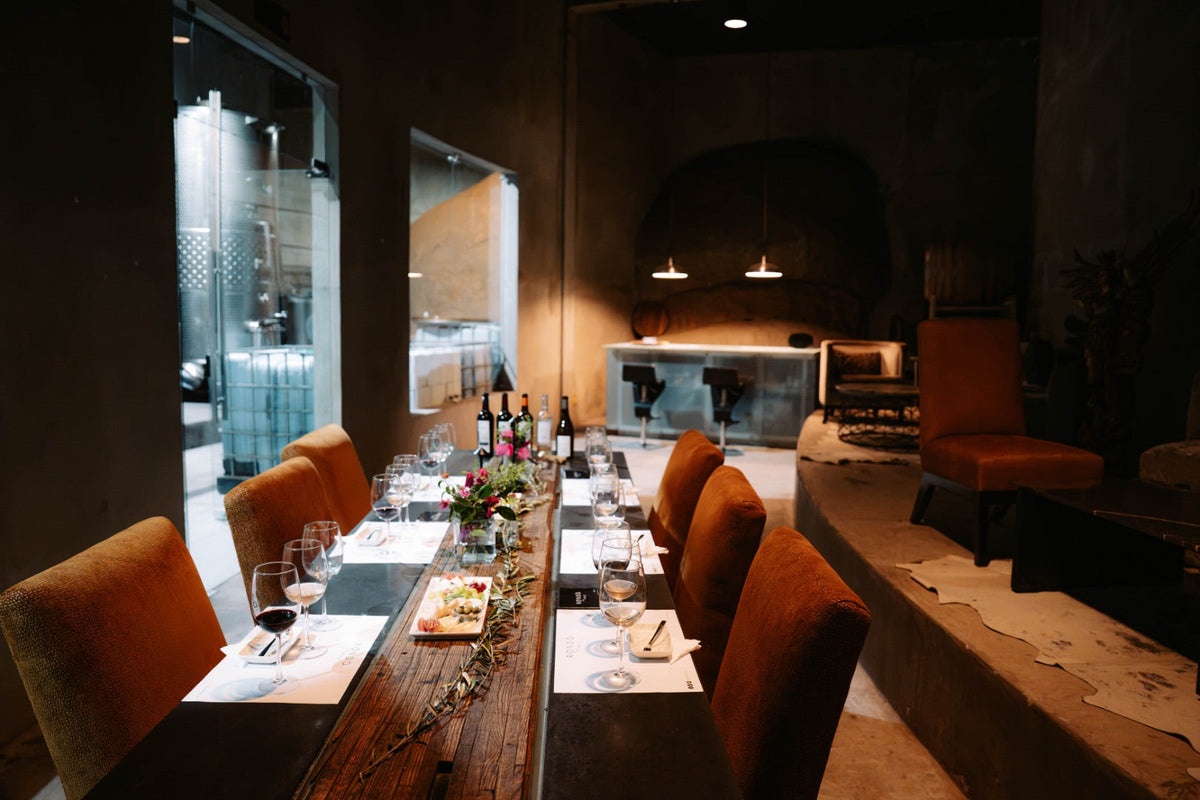
Rondo del Valle's VIP Tasting includes a tour of the facilities and five wines in a private tasting room, accompanied by a gourmet cheese board. Bring your questions and use the different glasses to explore your preferences.
Check the experience details and availability for your date before booking. You can also compare the winery's wine experiences in Valle de Guadalupe, Baja California while planning your visit.
Ready to find better words for the wines you enjoy? Explore the VIP Tasting and book your visit to Rondo del Valle.
Further reading: WSET: building your wine tasting skills and WSET: wine types and styles.
Qué son los vinos de guarda y cómo elegirlos
Cómo preparar maridaje con vinos mexicanos